
The single most important rule for infant sun protection is mineral-only shielding. Chemical filters sink into the skin and react with heat, whereas zinc oxide sits purely on the surface like a tiny microscopic shield.
Protecting a baby's delicate skin requires absolute vigilance against harsh additives and chemical filters. Choosing the best natural sunscreens for babies means prioritizing physical mineral blockers over cheap chemical alternatives every single time.
Let us compare three top mineral choices side by side to see which one fits your routine.
Key Takeaways
- Look exclusively for zinc oxide or titanium dioxide as the active sun-blocking ingredients to avoid chemical irritation on infant skin.
- Check the label for broad spectrum protection to ensure the formula blocks both UVA and UVB rays effectively.
- Opt for fragrance-free formulas because artificial scents are a primary trigger for contact dermatitis in young babies.
- Verify the water resistance rating if outdoor pool days or heavy beach outings are on your family calendar.
- Choose mineral stick or roll-on formats for easier application around a wiggly baby's eyes and face.
| Sensitive Skin Essential |  |
Aveeno Baby Continuous Protection SPF 50 | Gentle on sensitive skin | Tear-free formula | Sweat resistant | View on Amazon | Read Review |
| Best For Travel |  |
Sun Bum Baby Bum Roll-On SPF 50 | Mess-free roll-on applicator | 100% mineral protection | Hawaii compliant | View on Amazon | Read Review |
| Ultimate Outdoor Shield | 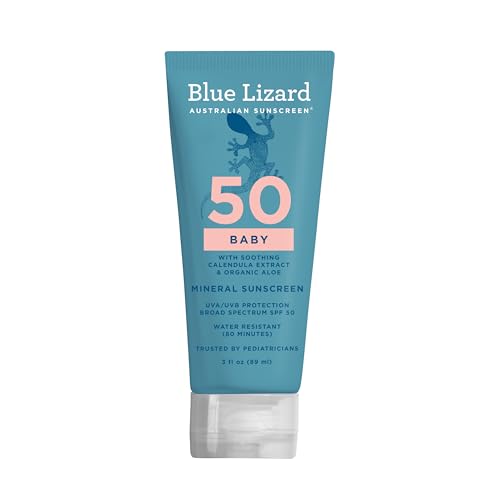 |
Blue Lizard Baby Mineral Sunscreen SPF 50+ | Smart cap technology | Maximum SPF 50+ rating | Fragrance-free cream | View on Amazon | Read Review |
More Details on Our Top Picks
-
Aveeno Baby Continuous Protection SPF 50
Parents dealing with hyper-reactive skin will find this mineral formula to be a reliable choice for daily outdoor exposure. Zinc oxide sits gently on top of the skin rather than absorbing into it, which significantly reduces allergic reactions and chemical irritation.
The tear-free lotion applies smoothly without feeling overly greasy, though it does require a bit of patience during the initial rubbing-in process to eliminate the expected white cast.
- Brand:Aveeno
- Active Ingredient:Zinc Oxide
- Sun Protection Factor:SPF 50
- Format:Lotion
- Special Feature:Fragrance free
- Size:3 Fl Oz
- Additional Feature:Broad spectrum sun protection
- Additional Feature:No added parabens
- Additional Feature:Sweat and water resistant
-
Sun Bum Baby Bum Roll-On SPF 50
Fidgety toddlers make traditional lotion application an Olympic sport, which is where this clever roll-on format changes the routine completely. You can glide the sunscreen directly onto squirmy limbs, making quick outdoor touch-ups remarkably painless at the park or beach.
The vegan formulation relies purely on minerals, but the convenient applicator design can sometimes dispense product unevenly if you press too hard against the skin.
- Brand:Sun Bum
- Active Ingredient:Zinc Oxide
- Sun Protection Factor:SPF 50
- Format:Roll-On
- Special Feature:Travel size
- Size:3 oz
- Additional Feature:Broad spectrum moisturizing UVA/UVB
- Additional Feature:Without octinoxate and oxybenzone
- Additional Feature:Easy to apply on the go
-
Blue Lizard Baby Mineral Sunscreen SPF 50+
Days spent under harsh sunlight demand heavy-duty defense, and this pediatrician-recommended cream delivers exceptional broad-spectrum coverage for infants. The unique cap changes color in harmful UV light, serving as a handy reminder that invisible rays are present even on cloudy afternoons.
While the thick mineral barrier offers phenomenal protection, the dense consistency takes extra effort to blend thoroughly into active skin.
- Brand:Blue Lizard
- Active Ingredient:Zinc Oxide
- Sun Protection Factor:SPF 50+
- Format:Cream
- Special Feature:Smart cap technology
- Size:3 Ounces
- Additional Feature:UVA and UVB protection
- Additional Feature:Chemical-free sun protection
- Additional Feature:UV-sensitive bottle cap
Frequently Asked Questions
When can I start putting sunscreen on my baby?
Pediatricians generally advise keeping infants under six months old completely out of direct sunlight instead of using sunscreen. Their skin is extremely thin and absorbs products much more readily than adult skin. If shade and clothing are simply impossible, you can apply a tiny amount of mineral sunscreen to exposed areas like the face and back of the hands. Otherwise, wait until that six-month milestone before making sunscreen a regular habit.
Why does mineral sunscreen leave a white chalky cast?
Zinc oxide and titanium dioxide are naturally white powders that do not dissolve into liquids. They reflect light just like snow, which creates that ghostly hue on the skin. Some brands use micronized minerals to reduce this effect, though the particles remain safely large enough not to penetrate the skin barrier. Think of it as a visible assurance that the physical shield is actually there.
How do I remove mineral sunscreen at bath time?
Mineral formulas cling tenaciously to skin by design, so regular water and a quick rinse will not cut it. Use a gentle baby wash along with a soft washcloth to break down the oils holding the minerals in place. An extra dab of baby oil or coconut oil on stubborn spots can help lift the residue before washing. Just make sure to rinse thoroughly so your baby does not turn into a slippery seal in the tub.
Does baby sunscreen expire?
Yes, sunscreen ingredients break down over time and lose their protective power. Check the expiration stamped on the tube, and generally toss any bottle that is older than three years. Exposure to high heat, like sitting in a hot beach bag all day, can ruin the formula even faster. If the texture looks separated or smells funny, throw it away immediately rather than risking a sunburn.
Can I use my own sunscreen on my baby in a pinch?
Adult sunscreens usually contain chemical filters, artificial fragrances, and anti-aging additives that will sting and irritate infant skin. Using them invites rashes and allergic reactions. Always stick to a dedicated baby formula featuring 100 percent mineral active ingredients. Your diaper bag should always hold a tube reserved strictly for the little one.