
Most aerosol sunscreen cans actually contain chemical filters that absorb UV rays, which surprises people who assume a convenient spray format automatically equals a mineral barrier.
And yet, mineral formulas that rely strictly on zinc oxide and titanium dioxide are becoming increasingly popular in spray bottles.
Finding the best natural spray sunscreens means balancing ecological safety with genuine skin protection. Let us walk through four standout options that make outdoor coverage much easier.
Key Takeaways
- Prioritize non-nano zinc oxide as the primary active ingredient to block UV rays without absorbing into the bloodstream.
- Check the water resistance rating, aiming for at least 80 minutes if swimming or sweating heavily outdoors.
- Read the spray delivery mechanism, because bag-on-valve or air-powered cans offer continuous application without chemical propellants.
- Look for fragrance-free certifications or hypoallergenic labels if applying the mist to reactive or sensitive skin types.
- Verify the broad spectrum label to guarantee equal defense against both aging UVA rays and burning UVB rays.
| Ultimate Crowd Pleaser |  |
Sun Bum Original SPF 50 Body Spray | High SPF 50 protection | Broad spectrum coverage | Quick and easy application | View on Amazon | Read Review |
| Gentle Mineral Shield |  |
Babo Botanicals Sheer Zinc Continuous Spray SPF 30 | Natural zinc oxide active ingredient | Fragrance free for sensitive skin | Safe for all ages | View on Amazon | Read Review |
| Sensitive Skin Essential | 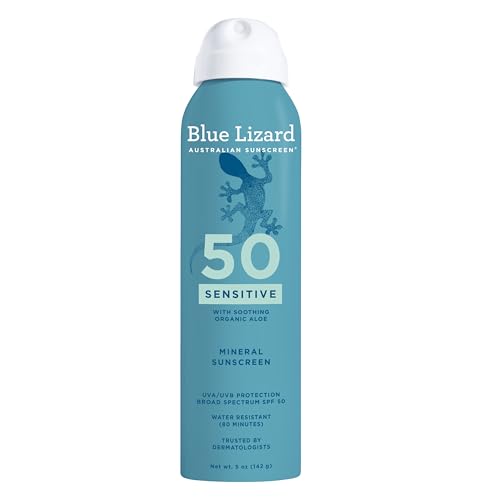 |
Blue Lizard Sensitive Mineral SPF 50 Spray | Mineral based active ingredients | High SPF 50 defense | Formulated for sensitive skin | View on Amazon | Read Review |
| Active Outdoor Defender |  |
Blue Lizard Sport Mineral SPF 50+ Spray | High SPF 50+ protection | Water resistant for sports | Dermatologist recommended brand | View on Amazon | Read Review |
More Details on Our Top Picks
-
Sun Bum Original SPF 50 Body Spray
Finding a sunscreen that does not feel like a greasy film can feel like chasing a ghost, but this formulation hits the sweet spot for everyday beachgoers. You get high broad-spectrum protection without the heavy weight that usually accompanies chemical sunscreens at this SPF level.
It is ideal for anyone who wants quick application before heading out the door. One noticeable downside is the aerosol format, which requires caution during application to avoid missing spots or inhaling the mist.
- Brand:Sun Bum
- Type:Body Spray
- Size:6 oz
- Additional Feature:Broad spectrum UVA and UVB protection
- Additional Feature:Sheer formula for daily wear
-
Babo Botanicals Sheer Zinc Continuous Spray SPF 30
If your skin rebels against standard chemical filters, this gentle zinc option provides a soothing barrier for delicate skin. Parents and adults with reactive dermis conditions appreciate the fragrance-free formula that reduces the risk of irritation.
The air-powered delivery system avoids chemical propellants while still giving you an even coat. Just keep in mind that pure mineral formulas tend to require a bit more rubbing in to completely banish any whitening effect.
- Brand:Babo Botanicals
- Type:Continuous Spray
- Size:3 oz
- Additional Feature:Air powered spray technology
- Additional Feature:Vegan and cruelty free ingredients
- Additional Feature:Extra sensitive skin formulation
-
Blue Lizard Sensitive Mineral SPF 50 Spray
Dermatologists often recommend mineral protection for a reason, and this version brings that trusted mineral defense into a convenient spray bottle. It works wonders for people prone to rashes or breakouts from traditional synthetic UV blockers.
You can rely on the zinc oxide and titanium dioxide blend to physically reflect rays away from your epidermis. A minor drawback is that mineral sprays still demand thorough blending with your hands to ensure complete coverage.
- Brand:Blue Lizard
- Type:Mineral Spray
- Size:5 oz
- Additional Feature:Mineral SPF 50 protection
- Additional Feature:Designed for sensitive skin types
-
Blue Lizard Sport Mineral SPF 50+ Spray
Sweat and heavy activity can melt lesser sunscreens right off your face, but this sport formula stays put when you push your limits. It is tailored for athletes and outdoor enthusiasts who need water-resistant UV defense that holds up during intense exertion.
The mineral base relies on zinc oxide to shield your skin without relying on chemical absorbers. Expect to spend a few extra seconds rubbing it in so the mineral barrier sets properly before you start sweating.
- Brand:Blue Lizard
- Type:Sport Mineral Spray
- Size:5 fl oz
- Additional Feature:Broad spectrum UVA and UVB protection
- Additional Feature:Zinc oxide active formula
Frequently Asked Questions
Do natural spray sunscreens leave a white cast on the skin?
Mineral particles naturally reflect light, so traditional zinc formulas often leave a ghostly pale tint behind. Newer formulations use micronized minerals and tinted bases to blend invisibly into a wider range of skin tones. Rubbing the spray in thoroughly immediately after application helps break up the mineral clumps. If you skip this step, you might end up looking like a mime at the beach.
How often do I need to reapply a mineral spray?
You should reapply your sunscreen every two hours under normal conditions, or immediately after swimming and heavy sweating. Natural oils in these formulas tend to break down faster in direct sunlight compared to heavy synthetic polymers. Even if the bottle claims high SPF, the physical barrier rubs off on towels and clothing throughout the day. Setting a timer on your phone is an easy way to remember the two-hour mark.
Are spray sunscreens safe to use on children?
Sprays are very convenient for wiggly kids, but you need to exercise caution with inhalation risks. Always spray the lotion directly onto your hands first, and then wipe it onto the child to keep the mist out of their lungs. Look for pediatrician-tested labels that use gentle, tear-free botanical bases. Mineral blockers are generally much safer for children's sensitive skin than chemical alternatives.
Do natural sunscreens expire faster than conventional ones?
Mineral active ingredients remain stable for a long time, but the natural plant oils in these formulas can go rancid. Check the expiration date stamped on the crimp of the tube or bottom of the bottle before heading out for the season. Storing your sunscreen in direct sunlight or hot car consoles accelerates the separation of ingredients. If the product smells sour or looks separated beyond repair, toss it out and buy a fresh bottle.
Can I use body spray sunscreen on my face?
Facial skin is much thinner and more prone to breakouts than the skin on your arms and legs. Many body sprays contain heavy oils and fragrances that can clog facial pores or irritate the eyes, so it is safer to use a dedicated facial sunscreen. If you do use a body spray on your face, spray it into your hands first to avoid getting the product in your eyes. Look for non-comedogenic formulas labeled specifically for face and body use if you want just one bottle for the whole trip.