How do you shield sensitive skin from the summer glare without slathering on a cocktail of mystery chemicals?
Mineral formulas are usually the answer, but nobody wants to spend twenty minutes rubbing thick white paste into a squirming child.
Finding the best non toxic spray sunscreens bridges that gap between serious UV defense and easy application. Let us examine four standout options that make outdoor days much simpler.
Key Takeaways
- Prioritize zinc oxide as the primary active ingredient for physical broad-spectrum blockage without chemical absorption.
- Check for water resistance ratings to ensure the formula holds up during swimming or heavy sweating.
- Look for fragrance free labels if you have reactive skin or eczema prone children.
- Consider air powered spray mechanisms as an environmentally friendly alternative to traditional aerosol propellants.
- Verify that the formulation meets reef safe standards to protect aquatic ecosystems during beach trips.
| Ultimate Sensitive Skin Shield | 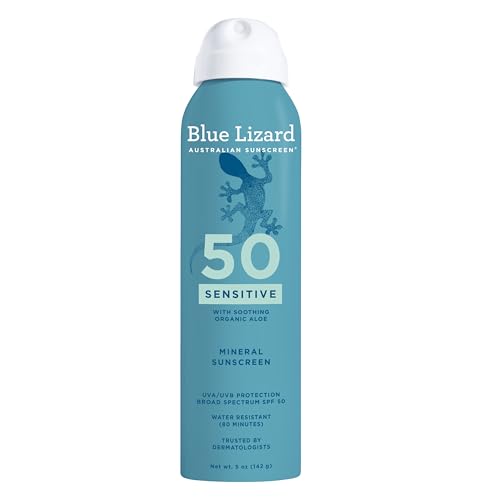 |
Blue Lizard Sensitive Mineral SPF 50 Spray | Fragrance free formula | Broad spectrum coverage | Gentle mineral ingredients | View on Amazon | Read Review |
| Best For Active Children | 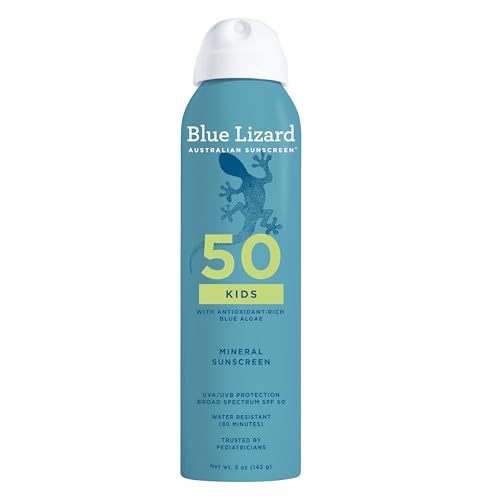 |
Blue Lizard Kids Mineral Sunscreen SPF 50+ | High SPF rating | Formulated for kids | Water resistant | View on Amazon | Read Review |
| Plant Based Protection |  |
Babo Botanicals Sheer Zinc Continuous Spray SPF 30 | Air powered spray | Extra sensitive skin | Vegan ingredients | View on Amazon | Read Review |
| Budget Friendly Mineral Choice |  |
Hello Bello Kids Sunscreen SPF 50 Mineral Spray | Broad spectrum SPF 50 | Mineral active ingredients | Family friendly size | View on Amazon | Read Review |
More Details on Our Top Picks
-
Blue Lizard Sensitive Mineral SPF 50 Spray
Finding a reliable mineral formula that sprays evenly can feel like searching for a unicorn, but this option gets the job done without the usual white cast drama. You want to look at this bottle when chemical filters cause irritation or rashes during long days outside. The zinc oxide base sits gently on top of the skin rather than absorbing into the bloodstream, which makes dermatologists very happy.
Applying a continuous spray to your back is genuinely difficult, and this five-ounce can runs out faster than you expect if you use it generously. You still need to rub the lotion in after spraying to guarantee full coverage, because relying purely on the mist leaves tiny gaps. Even with that minor chore, the lack of fragrance makes it a winner for anyone who hates smelling like artificial coconut all afternoon.
- Brand:Blue Lizard
- Sunscreen Type:Mineral
- SPF Rating:SPF 50
- Size:5 oz
- Additional Feature:Mineral active ingredients
- Additional Feature:Broad spectrum protection
- Additional Feature:Easy spray application
-
Blue Lizard Kids Mineral Sunscreen SPF 50+
Wrestling an alligator sounds easier than applying sunscreen to a squirming toddler, which is why parents lean heavily on fast-drying sprays. This particular formulation brings heavy-duty SPF 50+ protection to the sandbox without relying on oxybenzone or octinoxate. You get strong physical blockers that start working immediately upon contact, bypassing the twenty-minute waiting period required by chemical formulas.
Children demand water resistance during pool parties, and this five-ounce container holds up reasonably well against splashing and sweating. You will still need to reapply every two hours, because no sunscreen survives an entire day of cannonballs and towel drying. The spray nozzle occasionally sputters if you hold the can at an awkward angle, so keep it upright for the smoothest mist.
- Brand:Blue Lizard
- Sunscreen Type:Mineral
- SPF Rating:SPF 50+
- Size:5 oz
- Water Resistance:Yes
- Additional Feature:Broad spectrum coverage
- Additional Feature:Kid friendly formula
- Additional Feature:Mineral protection
-
Babo Botanicals Sheer Zinc Continuous Spray SPF 30
Eco-conscious shoppers often complain that natural sunscreens feel like spreading paste, but this air-powered mist changes the texture game completely. You get a lightweight layer of pure zinc oxide that blends into delicate skin without leaving you looking like a ghost at the beach. The ingredient deck relies on soothing plant extracts to calm redness while you soak up the vitamin D.
A lower SPF 30 rating means you must commit to strict reapplication schedules, especially if you spend hours under a direct midday sun. The aerosol mechanism uses compressed air rather than chemical propellants, which is great for the atmosphere but makes the spray feel a bit lighter than traditional cans. You will appreciate the fragrance free approach if your nose gets easily overwhelmed by tropical perfumes.
- Brand:Babo Botanicals
- Sunscreen Type:Mineral
- SPF Rating:SPF 30
- Size:6 oz
- Water Resistance:Water resistant
- Key Feature:Sheer zinc formula
- Additional Feature:Fragrance free
- Additional Feature:Plant based ingredients
- Additional Feature:Continuous spray design
-
Hello Bello Kids Sunscreen SPF 50 Mineral Spray
Protecting your family from harsh rays should not require taking out a small loan, and this mineral spray hits a very comfortable price point. You get broad spectrum coverage powered strictly by zinc oxide, keeping nasty chemical additives far away from young skin. The continuous mist covers large areas quickly, which saves your sanity when three kids are running in opposite directions.
Mineral formulas naturally leave a bit of residue, and this spray requires a thorough rub-in phase to avoid a chalky finish. The water resistance holds up decently during sprinkler sessions, but sand tends to stick to the formula more than you might prefer. Parents looking for straightforward, no-nonsense ingredients will find this five-ounce bottle checks all the right boxes.
- Brand:Hello Bello
- Sunscreen Type:Mineral
- SPF Rating:SPF 50
- Size:5 oz
- Water Resistance:Water resistant
- Key Feature:Mineral sun spray
- Additional Feature:Pediatrician tested
- Additional Feature:Hypoallergenic formula
- Additional Feature:Continuous spray bottle
Frequently Asked Questions
Are non toxic spray sunscreens completely safe to inhale?
No spray sunscreen is truly safe to breathe directly into your lungs, including mineral options. You should always spray the product into your palms first or hold your breath while applying outdoors. Inhaling mineral particles or propellants can irritate your respiratory tract. Caution is especially important when applying sunscreen to children who might not hold their breath on cue.
Do mineral spray sunscreens leave a white cast on the skin?
They certainly can, though many modern formulas use micronized minerals or tinted bases to blend in smoothly. Because zinc oxide is naturally white, a slight initial pale tint is normal before you rub it in. Darker skin tones might need to look for specific clear zinc formulations that dry transparently. Reading customer reviews helps reveal how a particular brand actually looks after application.
How often do I need to reapply spray sunscreen?
You should reapply your sunscreen every two hours under normal conditions. This timeline drops significantly if you are swimming, sweating, or toweling off vigorously. Missing this crucial step allows UV damage to accumulate even with high SPF ratings. Treat reapplication as a non-negotiable part of your outdoor routine.
Is SPF 50 really that much better than SPF 30?
An SPF 30 sunscreen blocks roughly 97 percent of UVB rays, while SPF 50 blocks about 98 percent. The numerical jump sounds massive, but the actual difference in protection is quite small. Higher SPF numbers often give a false sense of security, leading people to stay out longer without reapplying. Focusing on thorough coverage matters far more than chasing the highest possible number.
Do natural spray sunscreens expire faster than conventional ones?
Mineral formulas often have a shelf life of one to three years, similar to conventional options. Natural preservatives degrade over time, especially if the bottle sits in a hot beach bag or direct sunlight. Check the expiration date printed on the crimp of the bottle or the bottom label. Expired sunscreen loses its protective efficacy, leaving you prone to unexpected sunburns.