Finding the right formulation is the single most important factor when choosing the best sunscreens for chemo patients because vulnerable skin requires protection without harsh chemical irritants.
Radiation and chemotherapy treatments leave your skin dangerously sensitive, meaning standard drugstore formulas can cause immediate stinging or severe rashes.
Let us walk through some thoughtful choices that offer gentle support while you navigate your recovery.
Key Takeaways
- Prioritize formulas explicitly labeled paraben and phthalate free to prevent further irritation on compromised skin barriers.
- Look for natural organic ingredients that soothe dryness rather than relying on heavy synthetic fragrances or preservatives.
- Consider options that include complementary items like lip balms or headwear to protect multiple sensitive areas at once.
- Check the volume or count carefully to ensure you have enough product for consistent, daily application during treatment cycles.
- Select breathable fabrics and soft cotton blends for any accompanying headwear to avoid friction on tender scalps.
| Ultimate Oncology Hydration |  |
PhysAssist Oncology Cream Plus Lip Balms | Includes three bonus lip balms | Soothes extremely sensitive skin | Absorbs without greasy residue | View on Amazon | Read Review |
| Gentle Daily Comfort |  |
PhysAssist Oncology Cream and Lip Balm | Designed for radiation therapy side effects | Includes matching lip balm | Calms severe dryness | View on Amazon | Read Review |
| Plant Based Soother |  |
UltimateVitality Natural Organic Chemo Lotion | Paraben and phthalate free | Generous six ounce size | Certified natural organic ingredients | View on Amazon | Read Review |
| Soft Scalp Shield | 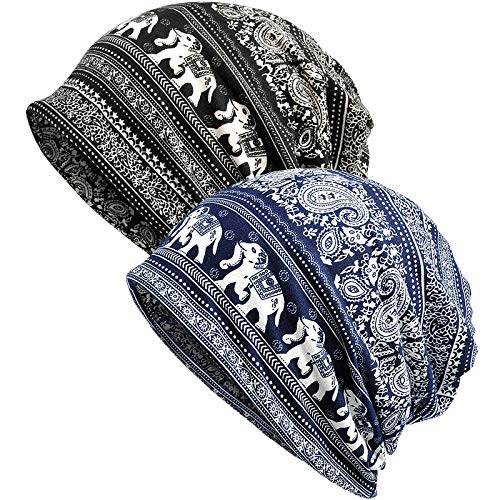 |
XYIYI Womens Chemo Headwear Beanie | Gentle 100 percent cotton | Includes two hats | Protects sensitive scalps outdoors | View on Amazon | Read Review |
| Versatile Comfort Cap |  |
Cotton Slouchy Beanie Sleep Bonnet | Doubles as sleep bonnet | Relaxed and roomy fit | Soft daily cotton fabric | View on Amazon | Read Review |
More Details on Our Top Picks
-
PhysAssist Oncology Cream Plus Lip Balms
Finding the right skin protection during medical treatments can feel like hunting for a needle in a haystack. PhysAssist Oncology Cream addresses severe sensitivity by focusing on deep, soothing relief for compromised barriers. And you get the added bonus of three protective lip balms to combat dry winter or treatment-induced chapping.
The formula absorbs quickly without leaving a greasy film behind. Because skin is extra vulnerable right now, avoiding harsh chemical additives is priority number one. Just keep in mind that the four-ounce tube might run out faster than you expect if you apply it generously across your whole body every single day.
- Brand:PhysAssist
- Type:Oncology Cream
- Size:4oz
- Count:4 pieces
- Additional Feature:Targeted relief for medical skin sensitivity
- Additional Feature:Includes three complementary lip balms
- Additional Feature:Compact tube for travel bags
-
PhysAssist Oncology Cream and Lip Balm
Protecting raw, tender skin requires ingredients that whisper rather than shout. This specialized oncology cream works wonders for anyone dealing with the brutal dryness caused by chemotherapy and radiation therapies. You also receive a handy lip balm to keep your smile comfortable.
Application is smooth and doesn't pull at fragile tissues. But you should always patch test any new skincare item when your body is this sensitive. The nourishing formula targets the exact spots that standard lotions tend to irritate further.
- Brand:PhysAssist
- Type:Cream and Balm Set
- Size:4oz
- Count:2 pieces
- Additional Feature:Radiation skin care support
- Additional Feature:Soothing lip treatment included
- Additional Feature:Fragrance-conscious formulation
-
UltimateVitality Natural Organic Chemo Lotion
Organic options provide immense peace of mind when your immune system is working overtime. UltimateVitality Oncology Cream steers completely clear of synthetic parabens and phthalates. It relies on natural ingredients to wrap your skin in a protective moisture blanket.
The generous six-ounce size gives you more mileage between reorders. Some users might find the natural plant scent a bit earthy, though it typically fades fast after rubbing it in.
- Brand:UltimateVitality
- Type:Moisturizing Lotion
- Size:6 Ounces
- Special Features:Paraben and phthalate free
- Additional Feature:Organic formula for sensitive areas
- Additional Feature:Larger volume for daily routines
- Additional Feature:Free from harsh synthetic chemicals
-
XYIYI Womens Chemo Headwear Beanie
Sun protection goes beyond topical creams when dealing with hair loss during treatment. This cotton slouchy beanie protects your sensitive scalp from harsh UV rays and brisk winds alike. You get two distinct pieces featuring a cheerful elephant print in the package.
The breathable cotton fabric prevents overheating during warmer afternoon walks. One potential downside is that slouchy beanies can slip around if you wear them during vigorous physical activities.
- Brand:XYIYI
- Type:Headwear Hat
- Material:Cotton
- Count:2pcs
- Special Features:Slouchy beanie design
- Additional Feature:Elephant pattern design elements
- Additional Feature:Soft material for bare scalps
- Additional Feature:Breathable daily wear construction
-
Cotton Slouchy Beanie Sleep Bonnet
Nighttime comfort is just as crucial as daytime defense when your body is healing. This cotton slouchy cap doubles as a gentle daytime beanie and a cozy sleep bonnet. It keeps your head warm without applying uncomfortable pressure to your forehead.
The relaxed fit accommodates various head sizes with ease. Just remember that lightweight cotton offers limited warmth during freezing winter nights without an extra layer.
- Type:Beanie Hat
- Material:Cotton
- Special Features:Dual purpose sleep cap
- Additional Feature:Versatile day and night use
- Additional Feature:Gentle on delicate hair follicles
- Additional Feature:Lightweight seasonal coverage
Frequently Asked Questions
Why do I need a different sunscreen during chemotherapy?
Cancer treatments make your skin significantly more sensitive to sunlight, a side effect known as photosensitivity. Regular sunscreens that rely on chemical filters can cause painful rashes and severe irritation on this fragile skin. Mineral formulas provide a much gentler alternative that reflects light instead of absorbing it.
Are mineral sunscreens harder to rub in?
Traditional mineral sunscreens have a reputation for leaving a white cast on the skin due to the physical nature of zinc oxide. However, modern formulations use micronized minerals and tinted bases to blend in smoothly without requiring aggressive rubbing. You should gently pat the product onto your skin rather than scrubbing it in hard.
How often do I need to reapply my sunscreen?
You need to reapply your sunscreen every two hours when you are spending time outdoors. If you are swimming or sweating heavily, you will need to reapply even sooner, usually after forty or eighty minutes depending on the water resistance rating. Setting a timer on your phone is an easy way to stay on schedule.
Can I use my regular facial moisturizer with SPF?
Most standard daily moisturizers with SPF offer insufficient UV defense because people rarely apply enough product to reach the labeled rating. Furthermore, those daily moisturizers often contain chemical filters and fragrances that can trigger reactions during treatment. It is much safer to use a dedicated mineral sunscreen over your gentle moisturizer.
What is the best way to remove mineral sunscreen at the end of the day?
Mineral formulas are designed to stay put on the skin, so a simple splash of water will not cut it. Use a gentle cleansing oil or a fragrance free cream cleanser to break down the physical barrier without stripping your moisture barrier. Follow up with lukewarm water and pat dry with a soft towel.