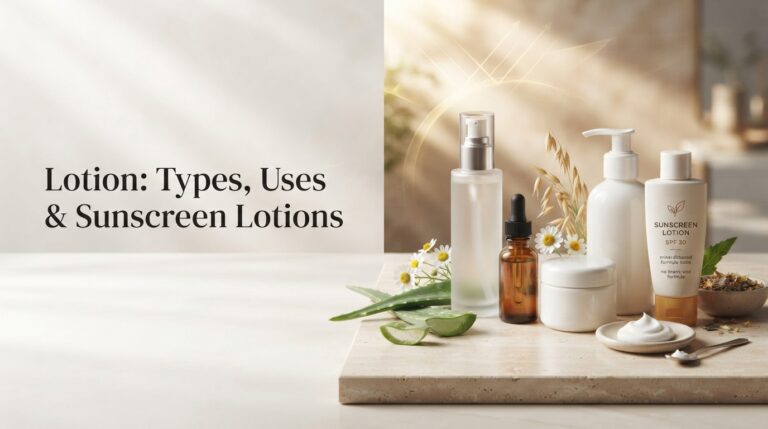


When it comes to sun protection, many people wonder, does mineral sunscreen expire? This question is crucial for anyone looking to maintain effective skin protection, especially during the sunny months. Understanding the expiration of mineral sunscreen can help you make informed choices about your skin health and safety.
What Is Mineral Sunscreen?
Mineral sunscreen, also known as physical sunscreen, contains active mineral ingredients like zinc oxide and titanium dioxide. Unlike chemical sunscreens, which absorb UV rays, mineral sunscreens sit on the skin’s surface and reflect harmful rays away. This makes them a popular choice for sensitive skin and those looking for more natural skincare options.
Understanding Sunscreen Expiration Dates
Like many skincare products, mineral sunscreen does have an expiration date. The efficacy of the active ingredients can diminish over time, which can compromise your protection against UV rays. Sunscreens are typically required by the U.S. Food and Drug Administration (FDA) to maintain their labeled SPF for at least three years from the date of manufacture, provided they are stored correctly.
How to Read Expiration Dates
Finding the expiration date on your sunscreen might not always be straightforward. Here are a few tips:
- Check for a printed date on the bottom or back of the bottle.
- If there’s no expiration date, the FDA recommends using the sunscreen within three years of purchase.
- Consider the date of purchase. If you bought it last summer and it’s still sitting in your cabinet, it may be time to replace it.
Factors Affecting Shelf Life
Several factors can influence the shelf life of mineral sunscreen:
1. Storage Conditions
How you store your sunscreen can significantly impact its longevity. Here are some tips:
- Keep sunscreen in a cool, dry place, away from direct sunlight.
- Avoid leaving it in hot environments, such as your car.
- Close the cap tightly after each use to prevent contamination.
2. Container Integrity
The packaging of your sunscreen is also important. Damage to the container can lead to contamination and reduced effectiveness. Always check for:
- Cracks or leaks in the bottle.
- Changes in color or texture of the product.
- Unusual odors that may indicate spoilage.
Signs That Your Mineral Sunscreen Has Expired
Using expired sunscreen can lead to inadequate protection, increasing your risk of sunburn and skin damage. Here are some signs to look for:
- Change in texture: If your sunscreen has separated or has an unusual consistency, it may be expired.
- Odor: A sour or off smell can indicate that the product has gone bad.
- Color change: If the color has darkened or changed significantly, it’s best to discard it.
How Long Does Mineral Sunscreen Last?
Typically, mineral sunscreen can last for about three years if stored properly. However, if you notice any signs of expiration or if it has been opened for a long time, it’s safer to replace it. Some manufacturers also provide specific guidelines on their products, so it’s wise to check the label.
Best Practices for Sunscreen Usage
To ensure that your sunscreen remains effective for as long as possible, consider the following best practices:
- Apply sunscreen generously and evenly to all exposed skin.
- Reapply every two hours, or more frequently if swimming or sweating.
- Use a broad-spectrum sunscreen with an SPF of 30 or higher for optimal protection.
- Check the expiration date before each use, especially if you haven’t used it in a while.
The Importance of Using Sunscreen
Using sunscreen is essential to protect your skin from the harmful effects of UV radiation. Regular use can prevent sunburn, premature aging, and skin cancer. The Skin Cancer Foundation recommends the following:
- Use sunscreen every day, even on cloudy days.
- Choose a broad-spectrum sunscreen to protect against both UVA and UVB rays.
- Combine sunscreen with protective clothing, hats, and sunglasses for comprehensive protection.
Alternatives to Expired Sunscreen
If you find that your mineral sunscreen has expired, it’s essential to replace it. Here are some great alternatives:
- Zinc Oxide Creams: These provide excellent protection and are often used in natural products.
- Physical Blocks: Products that offer a physical barrier against UV rays are ideal for sensitive skin.
- SPF-infused Moisturizers: Daily moisturizers with SPF can provide added convenience and protection.
Conclusion
So, does mineral sunscreen expire? Yes, it does, and understanding its shelf life is vital for effective sun protection. By paying attention to expiration dates, storage conditions, and signs of spoilage, you can ensure that your sunscreen remains effective. Always prioritize using sunscreen to protect your skin from harmful UV rays, and don’t hesitate to replace it when needed. Healthy skin is happy skin, and your future self will thank you for the care you take today.