

When the sun is shining bright and the summer vibes are in the air, many people wonder: does sunscreen help you tan? This question is not just about aesthetics; it delves into the science of skin protection and tanning. In this article, we will explore the relationship between sunscreen and tanning, debunk myths, and provide practical tips for sun safety.
The Science Behind Tanning
Tanning occurs when your skin produces more melanin, the pigment that gives your skin its color, in response to UV radiation from the sun. This process is your body’s natural defense mechanism against UV damage.
Understanding UV Radiation
There are two primary types of UV radiation that reach the Earth:
- UVA: These rays penetrate deep into the skin and are primarily responsible for premature aging and some types of skin cancer.
- UVB: These rays are responsible for causing sunburn and are more intense during the summer months.
Both types of UV radiation can contribute to tanning, but they also have the potential to cause skin damage. This brings us to the role of sunscreen.
The Role of Sunscreen
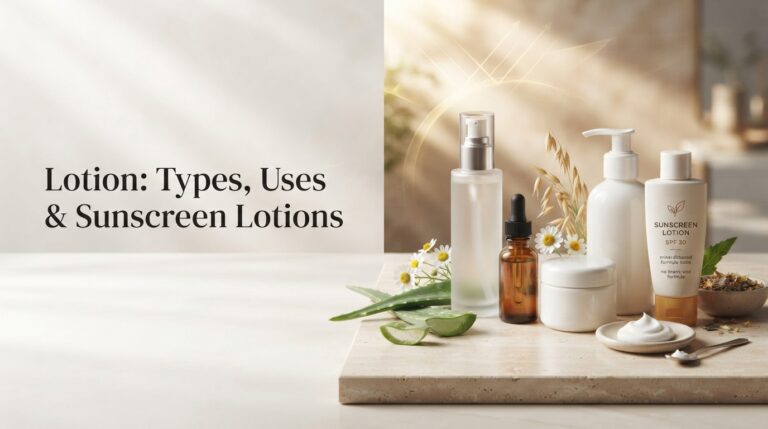
Sunscreen is a topical product designed to protect the skin from harmful UV radiation. But many people wonder: does sunscreen help you tan or hinder it? The answer is nuanced.
How Sunscreen Works
Sunscreen works by either absorbing or reflecting UV radiation. It typically contains active ingredients like zinc oxide, titanium dioxide, avobenzone, or octisalate, which prevent UV rays from penetrating the skin. There are two main types of sunscreen:
- Chemical Sunscreens: Absorb UV radiation and convert it into heat, which is then released from the skin.
- Physical (Mineral) Sunscreens: Sit on the skin’s surface and reflect UV rays away.
Does Sunscreen Help You Tan?
To answer the question directly, sunscreen does not help you tan in the traditional sense, but it does allow for safer sun exposure, which can lead to a tan without damaging your skin.
Protecting Your Skin While Tanning
When applied correctly, sunscreen can reduce the intensity of UV rays that reach your skin, allowing for a gradual tan instead of a painful burn. Here’s why using sunscreen is beneficial:
- Reduces the Risk of Sunburn: A sunburn can ruin your tanning experience and cause long-term skin damage.
- Prevents Premature Aging: Sunscreen helps protect against wrinkles and sunspots caused by UV exposure.
- Lowers Skin Cancer Risk: Regular use of sunscreen has been shown to reduce the risk of skin cancers, including melanoma.
- Allows for Controlled Tanning: Sunscreen enables you to get some color without overexposing your skin to harmful rays.
Choosing the Right Sunscreen
Not all sunscreens are created equal, and choosing the right one can make a difference in your tanning experience.
SPF Explained
SPF, or Sun Protection Factor, measures how well a sunscreen protects against UVB radiation. Here’s a quick guide:
| SPF Level | Protection Duration | Percentage of UVB Blockage |
|---|---|---|
| 15 | Up to 150 minutes | 93% |
| 30 | Up to 300 minutes | 97% |
| 50 | Up to 500 minutes | 98% |
While higher SPF offers more protection, no sunscreen can block 100% of UV rays. It’s also essential to reapply sunscreen every two hours, or more often if swimming or sweating.
Broad-Spectrum Protection
When shopping for sunscreen, look for products labeled as “broad-spectrum.” This indicates that the sunscreen protects against both UVA and UVB rays, offering comprehensive coverage.
How to Tan Safely
If you’re eager to achieve that sun-kissed glow while still protecting your skin, here are some practical tips:
Steps for Safe Tanning
- Choose the Right Sunscreen: Opt for a broad-spectrum sunscreen with at least SPF 30.
- Apply Generously: Use about one ounce (a shot glass full) for your entire body, and don’t forget areas like your ears, neck, and feet.
- Reapply Regularly: Reapply every two hours and after swimming or excessive sweating.
- Limit Sun Exposure: Gradually increase your time in the sun to avoid burning. Start with 15-30 minutes and build from there.
- Seek Shade: Take breaks in the shade, especially during peak sun hours (10 AM to 4 PM).
Common Myths About Sunscreen and Tanning
As with many health-related topics, misconceptions abound regarding sunscreen and tanning.
Myth vs. Fact
| Myth | Fact |
|---|---|
| Sunscreen prevents tanning completely. | Sunscreen reduces UV exposure but does not eliminate tanning. |
| Higher SPF means you can stay in the sun longer without reapplying. | No sunscreen is waterproof; reapplication is necessary regardless of SPF. |
| You don’t need sunscreen on cloudy days. | Up to 80% of UV rays can penetrate clouds, so sunscreen is still necessary. |
Conclusion
So, does sunscreen help you tan? In essence, while sunscreen doesn’t facilitate tanning directly, it allows you to enjoy the sun safely, fostering a tan while minimizing skin damage. Embracing sun safety is essential not just for a beautiful tan but also for long-term skin health. By choosing the right sunscreen, applying it properly, and being mindful of your sun exposure, you can enjoy the warmth of the sun without compromising your skin’s integrity.
Remember, the goal is not just to tan but to do so in a way that keeps your skin healthy for years to come. Happy tanning!