

How do you shield delicate baby skin from harsh UV rays without triggering a chemical reaction or a massive rash? Finding out what is the best baby sunscreens often feels like a frustrating puzzle, especially when ingredient labels read like a high school chemistry textbook.
Mineral formulas block the sun using physical barriers rather than chemical absorption, which is a massive win for sensitive baby skin. Let us sort through the top contenders together so you can make a confident choice for your next sunny outing.
Key Takeaways
- Prioritize mineral-based active ingredients like zinc oxide and titanium dioxide because they sit on top of the skin and reflect UV rays instead of absorbing into the bloodstream.
- Look for broad spectrum protection to ensure the formula guards against both UVA and UVB rays effectively.
- Choose water resistant formulas lasting at least 80 minutes if your little one will be splashing in the pool or sweating outdoors.
- Select fragrance free lotions or sticks to minimize the risk of contact dermatitis and allergic reactions on sensitive skin.
- Consider stick applications for quick, mess-free touch-ups on squirmy faces and ears during park days.
| Ultimate Daily Protection | 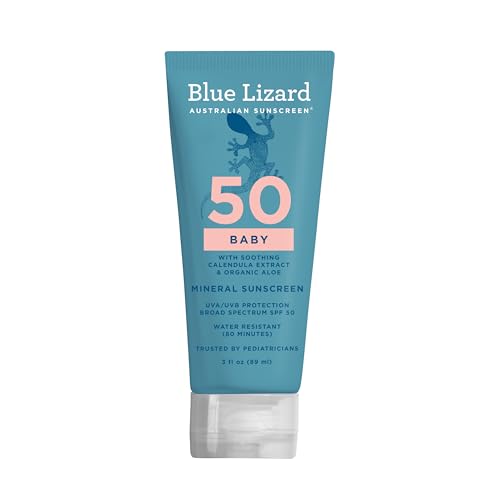 |
Blue Lizard Baby Mineral Sunscreen SPF 50 | Broad spectrum SPF 50 | Fragrance free formula | Gentle mineral protection | View on Amazon | Read Review |
| Sensitive Skin Essential |  |
Aveeno Baby Continuous Protection SPF 50 | Tear free formula | Nourishing oat extract | Sweat resistant | View on Amazon | Read Review |
| Best Value Tube |  |
Blue Lizard Baby Mineral Sunscreen 5 oz | Larger family size | Mineral based defense | Chemical active free | View on Amazon | Read Review |
| On The Go Stick |  |
Blue Lizard Baby Mineral Sunscreen Stick | Mess free application | Pocket friendly size | Targeted facial coverage | View on Amazon | Read Review |
| Poolside Splash Saver |  |
Coppertone WaterBabies Baby Sunscreen Lotion | Extra large bottle | Hypoallergenic blend | Designed for swimming | View on Amazon | Read Review |
More Details on Our Top Picks
-
Blue Lizard Baby Mineral Sunscreen SPF 50
When you need a reliable shield for a day outdoors, this mineral formula serves as an unyielding fortress against harsh rays. Parents managing sensitive infant skin will appreciate the zinc oxide base, which sits on top of the skin rather than absorbing into it.
You do need to spend a little extra time rubbing it in because thick mineral lotions often leave a distinct whitish cast. That visible layer actually helps you see exactly where you applied product, ensuring no spots are missed.
- Brand:Blue Lizard
- Type:Mineral lotion
- Size:3 ounces
- Active Ingredient:Zinc Oxide
- Protection Level:SPF 50+
- Water Resistance:80 minutes
- Additional Feature:Smart cap changes color in UV light
- Additional Feature:Water resistant for swimming
- Additional Feature:Free of artificial fragrances
-
Aveeno Baby Continuous Protection SPF 50
Selecting the right lotion for an easily irritated baby feels like walking through a minefield, but this hypoallergenic option calms those worries. It relies heavily on natural skin-soothing ingredients to keep rashes and redness at bay during long park visits.
The texture feels surprisingly lightweight for a mineral sunscreen, spreading smoothly without a greasy aftermath. One minor drawback is that the formula can feel slightly sticky once sweat mixes with the lotion on hot days.
- Brand:Aveeno
- Type:Mineral lotion
- Size:3 fluid ounces
- Active Ingredient:Zinc Oxide
- Protection Level:SPF 50
- Water Resistance:80 minutes
- Additional Feature:Free of added parabens
- Additional Feature:Broad spectrum coverage
- Additional Feature:Specially formulated for sensitive skin
-
Blue Lizard Baby Mineral Sunscreen 5 oz
Families who spend entire weekends outside burn through tiny tubes of lotion faster than snacks at a birthday party. This larger size cuts down on frequent reordering while delivering the exact same trusted mineral formula you rely on for beach trips.
Applying thick lotion to a wiggly toddler requires patience, and this generous bottle ensures you never have to skimp on coverage. The smart cap technology remains a clever touch, turning blue in ultraviolet light to remind you when sun safety gear is required.
- Brand:Blue Lizard
- Type:Mineral lotion
- Size:5 ounces
- Active Ingredient:Zinc Oxide
- Protection Level:SPF 50+
- Water Resistance:80 minutes
- Additional Feature:UV sensitive cap
- Additional Feature:Broad spectrum UVA and UVB
- Additional Feature:Fragrance free composition
-
Blue Lizard Baby Mineral Sunscreen Stick
Wrangling a squirming child while trying to smear liquid lotion near delicate eyes is a messy ordeal. This convenient stick format glides smoothly across cheeks and foreheads without dripping into sensitive areas.
You can easily toss this compact tube into a diaper bag or purse for quick touchups at the playground. Because the surface area of the stick is relatively small, covering arms and legs completely takes a bit of extra time.
- Brand:Blue Lizard
- Type:Sunscreen stick
- Size:0.5 ounces
- Active Ingredient:Zinc Oxide
- Protection Level:SPF 50+
- Water Resistance:80 minutes
- Additional Feature:Easy twist up design
- Additional Feature:Fragrance free protection
- Additional Feature:Broad spectrum defense
-
Coppertone WaterBabies Baby Sunscreen Lotion
Splash pads and backyard pools demand a product that stays put when your little swimmer refuses to dry off. This classic watery favorite clings firmly to wet or dry skin during extended aquatic adventures.
The expansive bottle provides plenty of coverage for multiple kids during busy summer afternoons. Some parents prefer strictly physical blockers, whereas this particular option utilizes a combination of active ingredients that might occasionally trigger mild reactions in ultra-sensitive infants.
- Brand:Coppertone
- Type:Lotion
- Size:8 fluid ounces
- Protection Level:SPF 50
- Water Resistance:80 minutes
- Additional Feature:Pediatrician recommended brand
- Additional Feature:Broad spectrum coverage
- Additional Feature:Gentle enough for daily use
Frequently Asked Questions
When can I start putting sunscreen on my baby?
Pediatricians generally advise keeping infants under six months old out of direct sunlight entirely instead of relying on sunscreen. Their skin is too thin to process the ingredients properly, so shade and protective clothing are your best tools. Once your baby crosses that six month threshold, you can freely apply a gentle mineral sunscreen to exposed areas like the face and hands. Always perform a patch test on the inner arm first to check for any sudden redness.
Why does mineral sunscreen leave a white cast?
Zinc oxide and titanium dioxide are natural white powders that do not dissolve into liquids, which creates that ghostly white layer on the skin. This visible residue is actually helpful because it shows you exactly where you have already applied the product and where you missed a spot. Many modern baby formulas use micronized or non-nano particles that rub in much more clearly than older formulations. If the white look bothers you, look for tinted or slightly sheer mineral options designed to blend better.
How much sunscreen do I need to use on a baby?
Skimping on the amount leaves your child vulnerable, so you need about one ounce or a shot glass full to cover an entire toddler's body. For the face and neck alone, aim for a dollop about the size of a nickel. Most people apply far too little, which drastically drops the actual SPF protection your child receives. Rub it in generously and make sure to catch tricky spots like the tops of the feet and behind the ears.
How often do I need to reapply baby sunscreen?
You should reapply sunscreen every two hours if your child stays outside in the sun continuously. Water play, heavy sweating, or rubbing against a blanket means you need to reapply even sooner than that. Keep a travel-sized bottle in your diaper bag so you are never caught unprepared during long park visits. Sticking to a consistent reapplication schedule is the only way to maintain the promised level of UV defense.
Does baby sunscreen expire?
Sunscreen ingredients break down over time and lose their chemical and physical effectiveness. Check the expiration date printed on the crimp of the tube or the bottom of the bottle, and toss out anything that is older than three years. If you notice the texture has separated, the color changed, or it smells strange, throw it away immediately regardless of the date. Using expired sunscreen leaves your child exposed to burns and long-term skin damage.